
Using the Modification Ladder to Stay Active While Traveling: A Physical Therapy Guide for Durham, NC
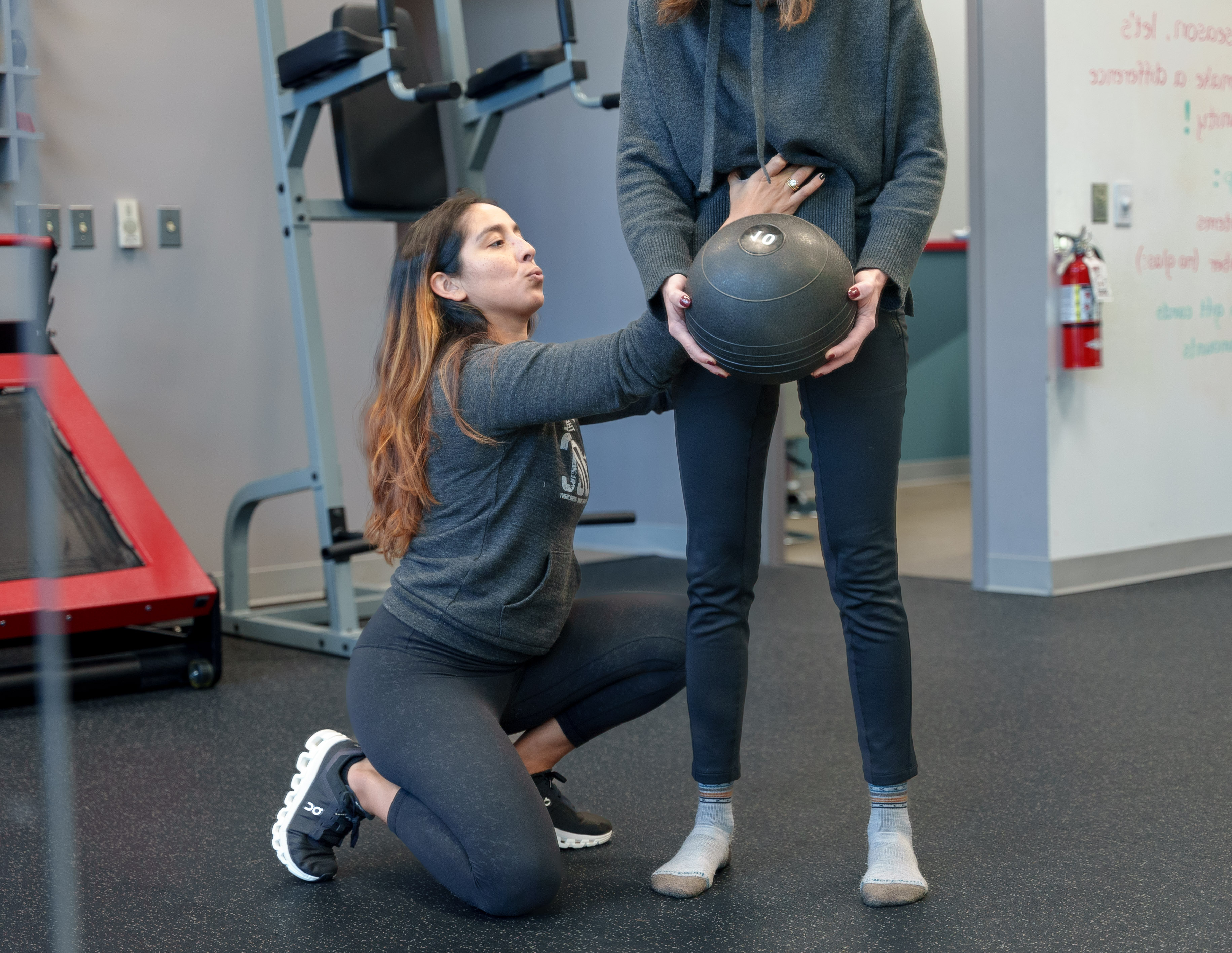
Travel—whether for holidays, work, or family—often disrupts routines. Sleep changes. Movement looks different. Stress increases. And suddenly, the workouts or habits that normally feel good don’t feel quite right.
For many people in Durham, NC, this leads to an all-or-nothing mindset:
“If I can’t do my normal workout, why bother at all?”
This is where physical therapy’s modification ladder becomes a powerful tool—not just for injury recovery, but for maintaining healthy habits during real life.
What Is the Modification Ladder?
The modification ladder is a clinical framework physical therapists use to keep people moving safely when circumstances change. Instead of stopping activity altogether, we modify how movement is performed.
The ladder typically progresses in this order:
- Speed
- Range of motion
- Load
- Activation
- Exercise selection
This approach helps you stay active during travel, poor sleep, stress, or schedule disruptions—without pushing your body past what it can recover from.
Why Travel & Holiday Seasons Make Movement Harder
During travel or the busy weeks between Thanksgiving and Christmas/Hanukkah, your body is managing more than just workouts:
- Less sleep
- More sitting or walking than usual
- Dehydration
- Irregular meals
- Emotional and mental stress
- Different training environments (hotel gyms, visiting gyms, no equipment)
All of these affect your tissue recovery, nervous system, and injury risk.
Physical therapy doesn’t expect your body to perform the same way in every season. Instead, we teach you how to adapt intelligently.
The Modification Ladder, Step by Step
1. Change the Speed
When you’re fatigued or under-recovered, slowing down movement can dramatically reduce joint and tissue stress.
Examples:
- Slower squats instead of explosive ones
- Controlled tempo lifts instead of fast circuits
- Walking instead of running
Slowing down still builds strength and control—especially when sleep or recovery is limited.
2. Adjust the Range of Motion
You don’t always need full depth or extreme ranges to get benefit.
Examples:
- Half squats instead of deep squats
- Shortened lunges
- Reduced overhead range if shoulders feel tight from travel
This allows you to keep moving while respecting how your body feels that day.
3. Modify the Load
Load isn’t just weight—it’s total stress.
Examples:
- Lighter dumbbells
- Fewer reps or sets
- Bodyweight instead of external resistance
Reducing load temporarily helps you stay consistent without triggering pain or flare-ups.
4. Shift to Activation
When your system is tired, activation work can be the perfect bridge.
Examples:
- Glute bridges
- Core breathing and bracing
- Band work
- Isometrics
These sessions support joint health, posture, and neuromuscular control—even when you don’t have energy for a full workout.
5. Change the Exercise
If something just doesn’t feel good, change the movement—not your commitment to caring for your body.
Examples:
- Cycling instead of running
- Step-ups instead of lunges
- Machines instead of free weights in unfamiliar gyms
Movement variety is not “giving up”—it’s smart training.

Why “Some Movement Is Better Than None” Matters
One of the biggest barriers we see in Durham is comparison—especially in unfamiliar gyms or during disrupted routines.
Physical therapy reframes success as:
- Showing up
- Moving intentionally
- Listening to your body
- Adapting instead of quitting
Even 10–20 minutes of modified movement supports circulation, joint health, mood, and routine consistency.
Recovery Counts—Especially When Sleep Is Off
Travel often means poor sleep, which directly affects:
- Pain sensitivity
- Tissue recovery
- Coordination
- Stress tolerance
On low-sleep days, PT often prioritizes:
- Mobility
- Light strength
- Breathing and nervous system regulation
- Walking
Recovery-focused movement is still productive movement.
How Physical Therapy in Durham Helps You Apply This in Real Life
What makes physical therapy different is that we don’t just give exercises—we help you problem solve.
That means looking at:
- Your work schedule
- Family responsibilities
- Travel demands
- Access to equipment
- Sleep and stress levels
- Transportation and environment
This multifactorial approach helps people stay active through travel, holidays, injuries, and busy seasons without burning out or getting hurt.
Final Takeaway
The goal during travel or the holidays isn’t to maintain perfection—it’s to maintain momentum.
The modification ladder gives you permission to:
✔ Adjust without guilt
✔ Stay consistent without pushing too hard
✔ Respect your body’s needs
✔ Keep healthy habits alive during chaotic seasons
If you’re struggling to know how to modify safely—or keep getting derailed during travel—physical therapy can help you build a plan that fits your life here in Durham, NC.
