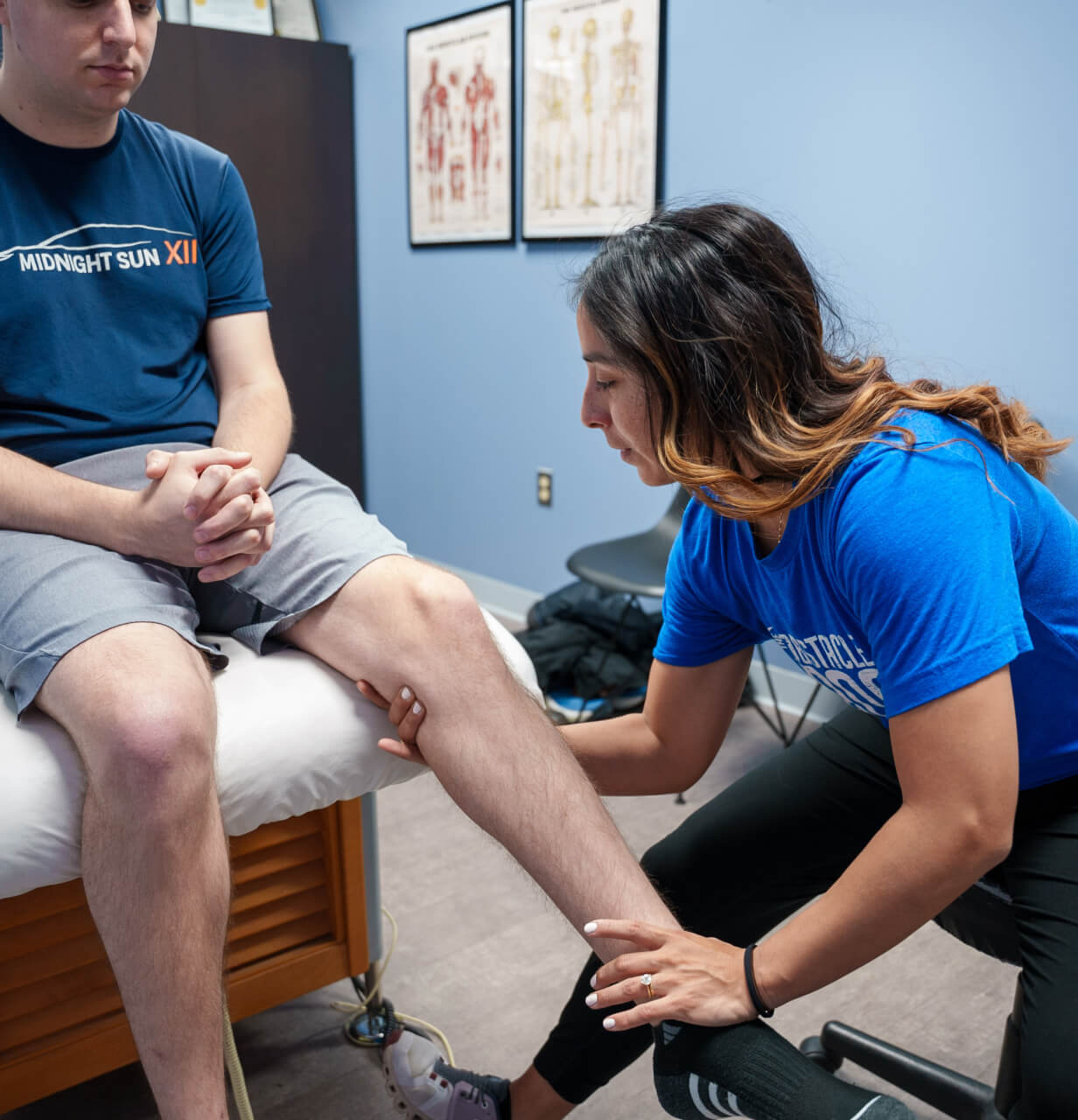
Durham Runners: When to See a PT and When to Modify Your Runs

Durham’s running community is vibrant, diverse, and resilient. From weekend trail runners at Eno River to competitive athletes training downtown, runners here take pride in showing up, rain or shine. But whether you're chasing a PR or just trying to keep up with your running group, the road to consistency often includes a few bumps—tight hamstrings, sore knees, or an unexpected twinge mid-stride.
Knowing when to push through and when to pull back can be tricky. Many runners wait too long before addressing discomfort, chalking it up to normal training fatigue. Others may overcorrect at the first sign of soreness, derailing progress unnecessarily. That’s why understanding the difference between signs that need professional attention and those that can be managed with smart training adjustments is so important.
READ: Nothing Beats A Good Night of Sleep: How Rest Impacts Physical Therapy in Durham
At The Obstacle Doc, we work with Durham runners every day—helping them recognize when pain is a warning sign versus a natural part of building strength and endurance. This blog will help you learn how to listen to your body and make informed decisions so you can stay active, healthy, and injury-free.
Common Running Injuries Seen by PTs
Running is one of the most efficient ways to stay in shape, but it also comes with repetitive stress that can take a toll over time. At The Obstacle Doc, we frequently see runners dealing with injuries that build gradually—often without a single moment of trauma. Recognizing these patterns early can help you avoid long-term setbacks.
Some of the most common running-related injuries we treat include:
IT Band Syndrome
Often felt as a sharp or burning pain on the outside of the knee, this condition is usually due to hip instability or overuse. It’s especially common in runners increasing mileage too quickly or running frequently on uneven terrain.
Plantar Fasciitis
Heel or arch pain, particularly first thing in the morning, is a hallmark sign of plantar fasciitis. This often stems from poor foot mechanics, tight calves, or worn-out shoes.
Shin Splints
That throbbing ache along the front of your lower leg? Shin splints usually come from ramping up intensity too fast or running on hard surfaces. Left unaddressed, they can progress to stress fractures.
Hip and Glute Pain
Deep aches in the hip or buttock region can signal weakness or imbalance in the posterior chain. These injuries can disrupt stride mechanics and lead to compensation elsewhere in the body.
By understanding these injury patterns, runners can be more proactive—not just reactive—about getting the care they need. In many cases, early intervention from a physical therapist can keep a small issue from becoming a full-blown injury.
Signs It’s Time to See a PT
It’s normal for runners to feel a little sore after a long run or tough workout. But there’s a difference between typical muscle fatigue and signs that your body needs professional support. Knowing when to schedule a physical therapy visit can help you avoid prolonged recovery times—or worse, chronic injuries.
Here are key indicators that it’s time to see a PT:
1. Pain That Doesn’t Improve with Rest
If you’ve taken a few days off, modified your training, or applied basic self-care—and the pain hasn’t gone away—it’s time to dig deeper. Persistent discomfort often signals an underlying imbalance or movement dysfunction that won’t resolve on its own.
2. Pain That Alters Your Stride
Any pain that changes how you run is a major red flag. Limping, shifting weight away from one leg, or feeling unsteady mid-run can lead to compensation injuries and should be addressed immediately.
3. Recurring Injuries
Getting the same type of injury every few months? That’s a sign your body is stuck in a faulty movement pattern. Physical therapy can identify the root cause and help break the cycle.
4. Numbness, Tingling, or Sharp Pains
Sensations like these often point to nerve involvement or deeper joint issues—and shouldn’t be ignored. A licensed PT can assess and address these symptoms safely.
At The Obstacle Doc, we specialize in helping runners identify subtle biomechanical issues before they turn into major problems. Whether it’s gait analysis, targeted strengthening, or hands-on therapy, we’re here to support your running goals with a personalized plan.
READ: Game-Changing Tech: How We’re Using VALD to Level Up Patient Care and Sports Performance in Durham
When to Modify Your Runs
Not every ache or off day means you need to see a physical therapist right away. In many cases, simple modifications to your running routine can keep you on track while giving your body time to recover and adapt. The key is knowing when to scale back without stopping altogether.
Here are some smart ways to adjust your runs:
Reduce Your Mileage or Intensity
If you’re starting to feel unusually fatigued or notice mild discomfort, try cutting back your distance or pace for a few days. This gives your muscles and joints a chance to recover without fully losing momentum.
Switch Up Your Terrain
Constantly running on sidewalks or pavement can create impact-related stress. Rotating in softer surfaces like trails or treadmills can reduce strain and engage different muscle groups.
Incorporate Extra Rest Days
Your body gets stronger during recovery—not during training. If soreness lingers, adding a rest or cross-training day can give your system the break it needs to bounce back.
Check Your Shoes
Worn-out or improperly fitted running shoes are a major cause of overuse injuries. If your shoes have more than 300–500 miles on them, or if they’re no longer supporting your stride, it’s time to replace them.
Listen to Your Body’s Signals
If your discomfort improves with lighter effort, reduced volume, or a change in routine, you're likely dealing with normal training adaptation. Just don’t ignore symptoms that worsen or fail to resolve after a few days.
These modifications are great first-line strategies. But if they don’t provide relief, that’s when a consultation with a PT becomes the next step—especially for runners serious about performance and longevity.
How Obstacle Doc Supports Runners in Durham
Durham’s runners deserve more than just cookie-cutter advice—they need personalized, expert care that understands the demands of the sport. At The Obstacle Doc, we specialize in helping runners move better, recover faster, and stay injury-free through every phase of training.
Whether you're preparing for your first 5K or chasing down a marathon PR, our team offers targeted support tailored to your needs:
One-on-One Physical Therapy
We don’t just treat symptoms—we assess your running mechanics, mobility, and strength to uncover the root cause of discomfort. Our hands-on care and movement retraining help restore efficiency and reduce injury risk.
Sports Performance Coaching
Our sports performance services help you build strength, stability, and resilience—all with your running goals in mind. We focus on improving form, power, and endurance in ways that translate directly to your time on the road or trail.
Pelvic Floor Therapy for Runners
Especially for postpartum athletes and female runners, pelvic health can be the missing link in addressing core stability and lower-body mechanics. Our pelvic floor specialists provide discreet, effective care to help you feel strong and confident.
Ongoing Support and Education
We don’t just treat injuries—we empower you with the knowledge and tools to stay healthy long-term. Whether it's helping you choose the right shoes or adjust your training plan, we’re here for the long run.
At The Obstacle Doc, we believe every runner in Durham should have access to expert guidance—not just when they're injured, but throughout their journey. Let us help you move with purpose, train with confidence, and run without limits.
Contact us today to schedule your appointment