
Strength Through Pregnancy: Why Staying Active Is Safe, Smart, and Powerful
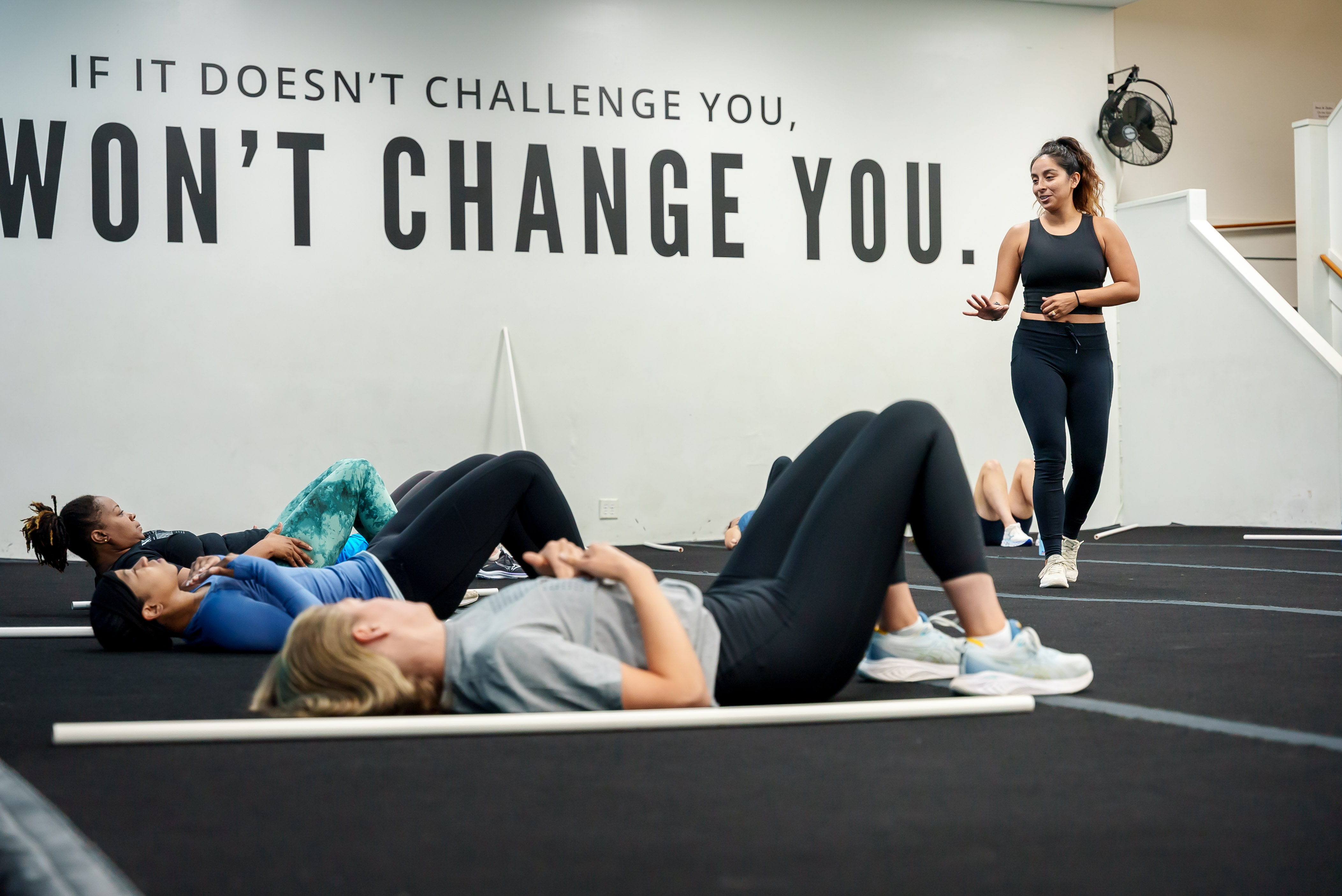
Pregnancy Is Not a Reason to Stop Moving
One of the most common fears we hear from pregnant patients is:
“Is it safe to exercise right now?”
The short answer — yes, absolutely.
The longer answer — staying active during pregnancy is not only safe for most people, it’s one of the best things you can do for your long-term health and your baby’s health.
As a pelvic floor physical therapist in Durham, NC, I spend a lot of time helping pregnant people feel confident in their bodies, cut through fear-based messaging, and understand what healthy, supported movement really looks like during pregnancy.
As I often say in workshops:
“You don’t gotta change a dang thing — if you’re already living an active lifestyle.”
The Science Is Clear: Exercise During Pregnancy Is Beneficial
Research consistently shows that regular, moderate-intensity exercise during pregnancy is associated with:
- Reduced risk of gestational diabetes
- Lower rates of preeclampsia and hypertensive disorders
- Improved cardiovascular health
- Better mental health and lower risk of postpartum depression
- Healthier placental function
- No increased risk of low birth weight or preterm delivery in healthy pregnancies
The American College of Obstetricians and Gynecologists (ACOG) recommends at least 150 minutes of moderate-intensity exercise per week for most pregnant people.
Movement isn’t just allowed — it’s encouraged.
Exercise Supports Both Mom and Baby
Benefits for the Pregnant Person
Staying active can help:
- Maintain strength and endurance
- Reduce pregnancy-related aches and pains
- Improve energy and sleep
- Support mental health during major hormonal shifts
- Prepare the body for labor and delivery
Benefits for the Baby
Moderate exercise improves placental efficiency, helping deliver oxygen and nutrients more effectively. Babies born to active parents often have healthier birth weights and improved metabolic outcomes.
“Birth Is an Athletic Event” — Let’s Train for It
Labor and delivery place significant physical demands on the body. Strength, endurance, breathing coordination, and pelvic floor control all matter.
Strength training during pregnancy:
- Helps maintain muscle mass
- Improves joint support as the body changes
- Builds resilience for labor
- Supports smoother postpartum recovery
Yes — you can still build and maintain strength while pregnant, with appropriate modifications.
Pelvic Floor Health: The Earlier, the Better
Pelvic floor physical therapy is one of the most underutilized resources in pregnancy.
A pelvic floor PT can help with:
- Learning how to coordinate breath, core, and pelvic floor
- Preparing pelvic tissues for labor
- Managing symptoms like leaking, pelvic pressure, or pain
- Reducing risk of postpartum pelvic floor dysfunction
- Supporting a confident return to exercise after birth
The sooner we address pelvic floor health, the better outcomes we see — both prenatally and postpartum.
What About Safety? Understanding Yellow & Red Flags
Most movement is not off-limits during pregnancy — unless your medical provider says otherwise.
However, there are situations where exercise should be modified or paused. These include conditions such as:
- Severe preeclampsia
- Cervical insufficiency
- Placenta previa with bleeding
- Signs of preterm labor
Warning signs during exercise that warrant stopping and seeking care include:
- Vaginal bleeding
- Dizziness or fainting
- Chest pain
- Severe headaches
- Regular painful contractions
This is why individualized care matters.
Why Personalized Support Makes a Difference
Every pregnancy is different. Your history, symptoms, workload, stress levels, and access to support all influence how your body responds.
At our physical therapy clinic in Durham, NC, we look at the full picture:
- Movement and strength
- Pelvic floor function
- Lifestyle demands
- Mental and emotional stress
- Support systems at home and work
Pregnancy doesn’t exist in a vacuum — and your care shouldn’t either.
Advocacy Is Part of Prenatal Care
One of the most important messages I share with pregnant patients is this:
You deserve excellent care and accurate information.
Ask questions. Advocate for yourself. Seek out providers who respect your goals and understand that pregnancy is not fragility — it’s adaptation.
Key Takeaways
- Exercise during pregnancy is safe and strongly recommended for most people
- Staying active benefits both mother and baby
- Strength training is safe with appropriate modifications
- Pelvic floor physical therapy supports pregnancy, birth, and recovery
- Individualized care leads to better outcomes
Looking for Prenatal or Pelvic Floor Physical Therapy in Durham, NC?
If you’re pregnant, planning a pregnancy, or want guidance on staying active safely, working with a pelvic floor physical therapist can help you feel informed, strong, and supported.
📍 Serving families in Durham, North Carolina
📩 Reach out to learn how we support pregnancy, birth, and postpartum health
