
Why Grip Strength Matters for Longevity, Fitness, and Rehab
Why We’re Testing Grip Strength Around Durham, NC — and Why It Matters
If you’ve seen us out in the Durham community recently, you may have noticed something new: grip strength testing.
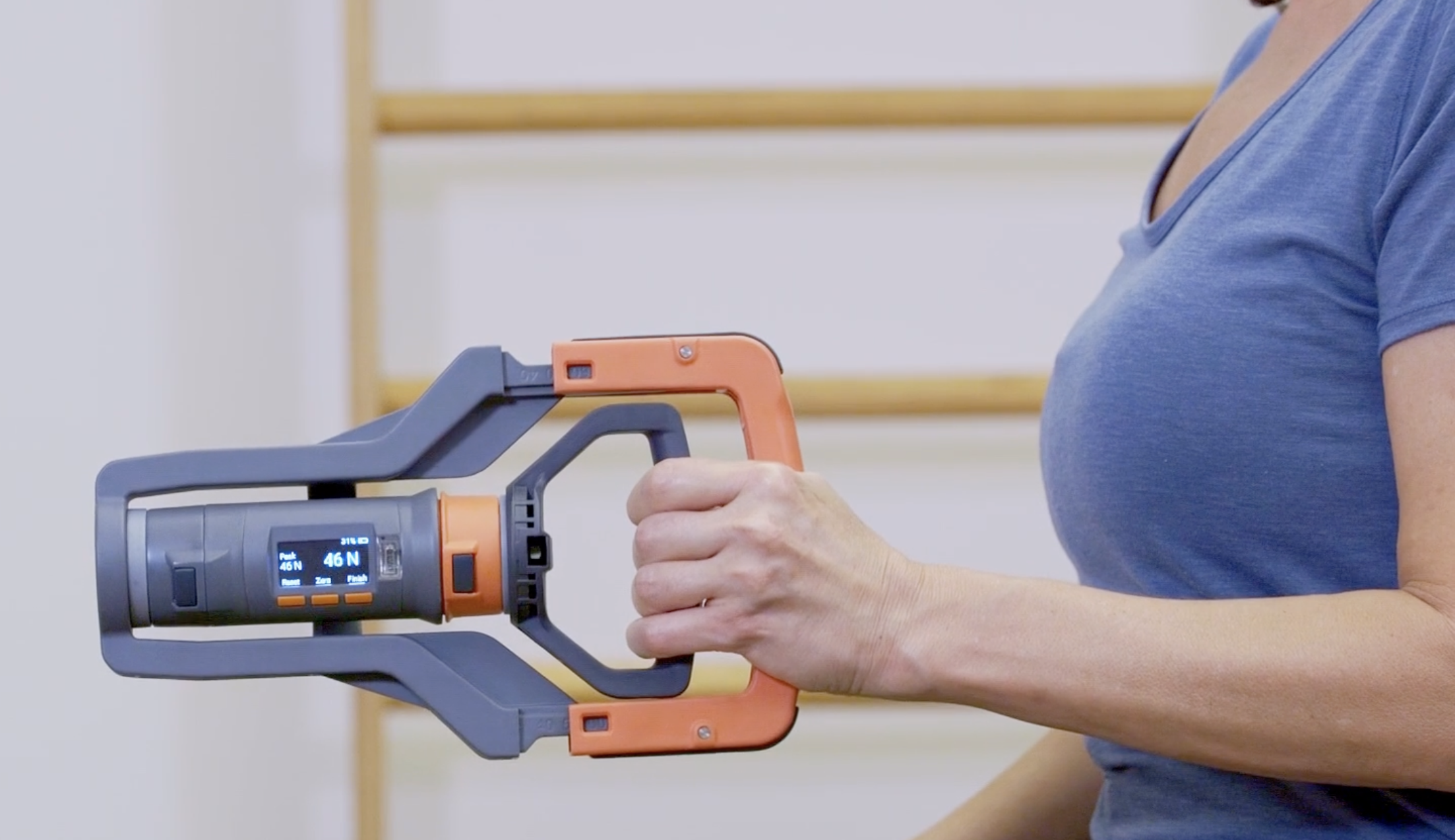
Using our VALD performance equipment, we’ve been measuring grip strength around town—not because hand strength is trendy, but because the science behind it is compelling.
Grip strength is now widely recognized as one of the most powerful, accessible biomarkers of long-term health, with strong links to longevity, cardiovascular outcomes, functional independence, and rehabilitation progress.
Let’s talk about why this matters—and why we’re paying attention to it here in Durham, NC.
Grip Strength: A Simple Test With Powerful Health Implications
Grip strength is exactly what it sounds like: how much force you can generate with your hand using a dynamometer. What’s surprising is how strongly this single measure reflects whole-body health.
Large population studies consistently show that lower grip strength predicts higher risk of:
- All-cause mortality
- Cardiovascular disease mortality
- Stroke and heart attack
- Functional decline and frailty
In the landmark PURE study of nearly 140,000 adults across 17 countries, each 5 kg decrease in grip strength increased all-cause mortality risk by 16% and cardiovascular mortality by 17%. These findings held true across age, sex, and socioeconomic groups—and in many cases, grip strength outperformed traditional markers like blood pressure.
Put simply: how strong your grip is tells us a lot about how resilient your body is.
Why Grip Strength Is Having a Moment in the Longevity World
If you’ve read Outlive by Peter Attia, you’ve likely seen grip strength mentioned as a key marker of healthspan.
That’s because grip strength reflects multiple systems at once:
- Skeletal muscle mass
- Nervous system integrity
- Bone density
- Nutritional status
- Physical activity levels
Peak grip strength typically occurs in the 30s–40s, followed by a gradual decline with age. The rate of decline matters. Maintaining strength over time is associated with better independence, lower fall risk, and improved quality of life.
In other words, grip strength isn’t about having a strong handshake — it’s about maintaining capacity as you age.
Grip Strength and General Fitness Goals
From a fitness perspective, grip strength correlates strongly with:
- Total body strength
- Lean muscle mass
- Cardiorespiratory fitness
- Bone mineral density
For active adults in Durham—whether you lift, run, do CrossFit, OCR, or group fitness—grip strength gives us objective data about your overall strength status.
It can also highlight:
- Asymmetries side-to-side
- Early strength loss before symptoms appear
- Recovery trends during training blocks
This makes it a valuable tool not just for elite athletes, but for anyone focused on long-term health and performance.
Grip Strength as a Rehabilitation Marker
Where grip strength really shines in physical therapy is its role as a reliable, quantifiable marker of recovery.
Research shows grip strength has:
- Excellent test–retest reliability (ICC ~0.95–0.96)
- Strong correlations with global functional ability
- Condition-specific thresholds for meaningful change
In rehabilitation, grip strength helps us:
- Track progress after orthopedic injuries
- Monitor neurologic recovery
- Assess sarcopenia and frailty risk
- Evaluate readiness to return to activity
- Identify when progress has stalled
Importantly, grip strength reflects more than hand function. It correlates with upper extremity coordination, daily task performance, and overall neurologic status.
Why We Use VALD Grip Strength Testing
Traditional hand dynamometers measure peak force. VALD technology allows us to go further, capturing:
- Maximal strength
- Rate of force development
- Fatigability
- Force steadiness
This gives us deeper insight into how your muscles and nervous system are functioning, not just how strong they are at one moment in time.
For our Durham patients, this means:
- More precise baselines
- Better goal-setting
- Objective progress tracking
- Data-informed clinical decisions
Grip Strength Is Modifiable — And That’s the Key
One of the most important takeaways from the research is this:
Grip strength is not fixed.
It responds to:
- Resistance training
- Improved nutrition
- Adequate recovery
- Rehabilitation
- Increased physical activity
That makes it an actionable metric—not just a statistic.
Why We’re Testing Grip Strength Around Durham
Our goal in bringing grip strength testing into the community is simple:
to make meaningful health data accessible.
By testing grip strength around Durham, we hope to:
- Increase awareness of strength as a health marker
- Encourage proactive conversations about longevity
- Help people understand where they are now
- Use objective data to guide fitness and rehab decisions
Grip strength gives us a window into the bigger picture—and helps us meet people where they are.
Final Thoughts
Grip strength may look like a small test, but it reflects something big: your body’s ability to adapt, recover, and stay resilient over time.
Whether your goals are longevity, performance, or rehabilitation, grip strength offers valuable insight—and physical therapy helps translate that data into action.
If you’re curious about your grip strength, what it means, or how to improve it, we’re happy to help.
