
How the End of Daylight Saving Time Affects Your Body

As daylight hours shorten and we shift our clocks back, many of us in Durham and the Triangle area feel the subtle but real shift in our bodies. This isn’t just about losing light—it’s about how our movement system, our nervous system, and our musculoskeletal health respond to the change. At The Obstacle Doc, we see patients every year who say they “just don’t feel the same” after the clocks change. Here’s what’s happening—and how physical therapy, proper movement, and slowness in the fall season can help you navigate this time of year with strength and resilience.
Why the Time Change Matters for Your Body
When we revert from Daylight Saving Time (DST), our internal clocks—our circadian rhythms—are disrupted. Sleep specialists note that even subtle changes in daylight exposure can disturb hormone regulation, metabolism, mood, and recovery.
For you as an athlete, weekend warrior, or someone managing chronic pain in Durham, those disruptions matter:
- Decreased morning light may reduce motivation and energy for training.
- A misaligned sleep-wake cycle can increase fatigue, reduce recovery capacity, and impair movement quality.
- Shorter days and darker evenings often push us indoors—less movement, more sedentary time, more strain on joints and soft tissue.
Research shows that shifts in daylight do correlate with lower physical activity in some populations. Put simply: when our environment changes, our bodies must adapt. And if we don’t support that adaptation, injury risk, stiffness, pain and movement dysfunction can increase.
Why Physical Movement Helps—Especially This Time of Year
As physical therapists in Durham, we often say: movement is medicine. During seasonal transitions it becomes essential. Here’s why:
- Stimulates the nervous system for alertness. A well-timed movement session (especially in morning or early afternoon) helps cue your body that “it’s time to move,” countering the lull from shorter daylight.
- Improves circulation, mobility and joint lubrication. When the weather cools, joints stiffen, and muscle recovery slows. Regular movement keeps tissue pliable and prepared.
- Enhances mood and reduces stress. Movement boosts endorphins, helps regulate your nervous system, and counters the less daylight, more stress cycle.
- Builds resilience in your plan of care. Rather than waiting for pain or injury to flare, a proactive regimen (strength + mobility + recovery) sets you up for success into winter.
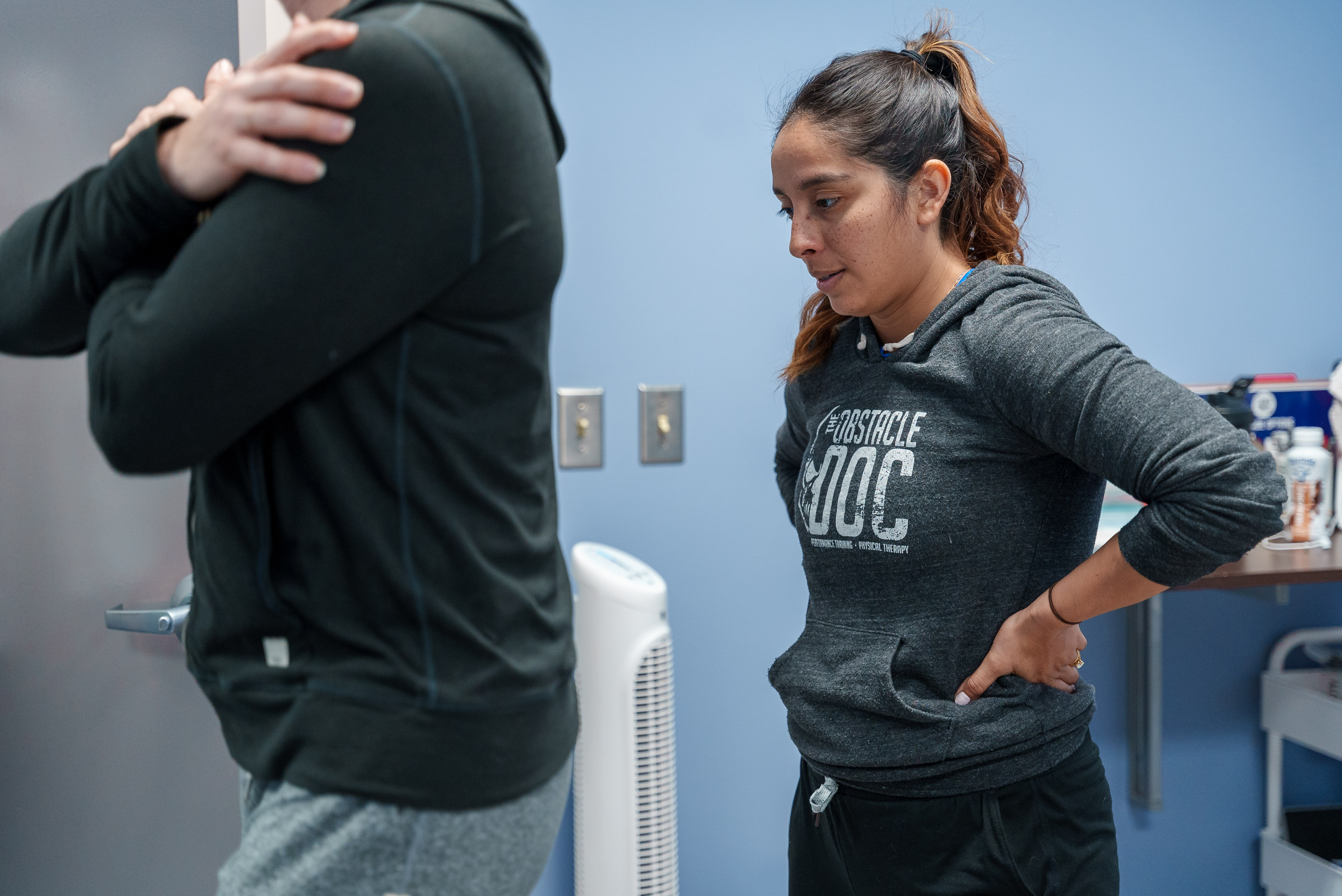
In Durham’s active community—runners prepping for fall races, moms returning to exercise postpartum, athletes returning from injury—this seasonal support matters. And when you apply movement with the guidance of a physical therapist, you reduce risk and build capacity effectively.
5 Practical Tips for the Fall Transition (Durham Edition)
Here are five evidence-based strategies you can integrate right now:
- Keep your movement schedule consistent. Whether it’s a 6 a.m. run at Encore Athletic Club Durham or a midday strength session at our clinic, stick with the same time slot. Routine overrides confusion.
- Prioritize morning light. Spend 10–15 minutes outside in the morning—walk, stretch, or just sit. Natural light helps align your clock.
- Slow down your workouts when needed. Fall isn’t about maximal effort every day. Incorporate mobility flows, controlled strength sets, or “active recovery” days to give your nervous system a break.
- Monitor hydration and nutrition for cooler weather. It’s easy to skip fluids when it’s not hot—but your muscles, connective tissue and nervous system still need hydration and micronutrients to recover and adapt.
- Book a movement check-in. If your training feels off, joints are creaky, or you find yourself avoiding movement because of “just feeling old,” a physical therapy evaluation in Durham can catch early dysfunction and map a plan forward.
Why You Should Consider Physical Therapy This Fall in Durham
- Pre-hab > re-hab. At The Obstacle Doc, we believe in preventing pain before it becomes a problem. Our approach in Durham focuses on movement screening, strength re-building, and aligning your nervous system for performance—not just fixing injury.
- Data-driven assessment. With services like force-plate analysis (VALD) and functional movement testing, we move beyond “what hurts” to “what’s limiting you.”
- Season-specific planning. Autumn in Durham is not casual—it’s a window to build resilience before holiday stress and winter sluggishness hit. We help you tailor your plan rather than chase symptoms.
- Local know-how. We serve Durham, Chapel Hill, the Triangle and all of central North Carolina. We understand our community’s demands—runners, multisport athletes, weekend warriors, working moms.
Your Next Move
If the time change, darker evenings or seasonal shift have left you feeling “off,” now is the time to act. We’re offering complimentary screening calls this month for our Durham community. Let’s build your plan, keep you moving, and make sure fall doesn’t slow you down.
📞 Click the link in our bio to schedule your free consult. Because this season? It’s not about hibernation. It’s about smart strength, proactive movement—and staying strong when the sun sets earlier.
