
Load Management in Rehabilitation
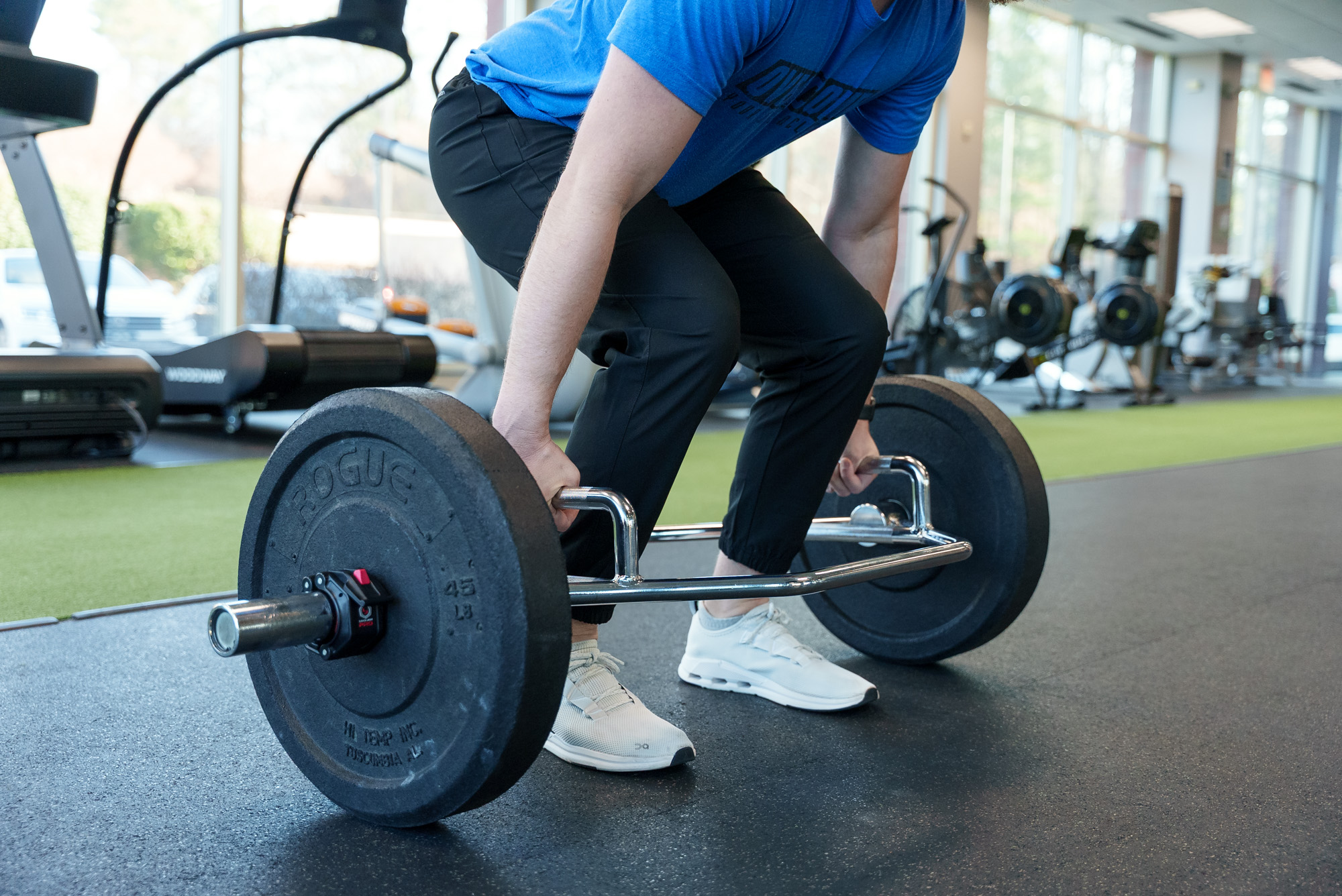
One of the biggest misconceptions in injury recovery is that rest alone fixes injuries.
In reality, most tissues in the body — muscles, tendons, bones, and even the nervous system — heal and become resilient through the right amount of load applied at the right time.
In a recent conversation, Dr. Daniela Ortiz-Kosobucki discussed a topic we use daily in clinic: load management. Whether someone is recovering from surgery, managing tendon pain, navigating postpartum recovery, or returning to sport, understanding load is the key to long-term success.
Here’s what that actually means — and why it matters for anyone recovering from injury in Durham, NC.
What Do We Mean by “Load”?
When people hear “load,” they often think of lifting weights. But load is much broader than that.
Load includes:
• Walking, running, or climbing stairs
• Carrying groceries or children
• Sitting posture at work
• Exercise and sport participation
• Repetitive daily movements
• Gravity acting on healing tissues
After surgery or injury, tissues temporarily tolerate less load. For example:
• ACL reconstruction patients can’t immediately return to squatting or running.
• Rotator cuff repairs cannot tolerate pressing or overhead loading early on.
• Tendon injuries flare if we return to activity too quickly.
Load isn’t bad — mismanaged load is.
Why Progressive Loading Matters
For many years, rehab leaned too heavily on rest and protection. But research now clearly shows:
👉 Tissues need progressive loading to heal properly.
Mechanical loading stimulates tissues through a process called mechanotransduction, which triggers:
• Collagen repair and organization
• Muscle strengthening
• Improved tendon resilience
• Better neuromuscular control
But the key word is progressive.
Too much load too soon causes setbacks. Too little load leads to deconditioning and persistent pain.
The goal is to find the “just right” level that challenges tissues without overwhelming them.
Understanding the Load Spectrum
Every patient sits somewhere on a load tolerance spectrum.
At one end:
“I can barely walk without pain.”
At the other:
“I want to run, lift, and play sports again.”
Recovery means gradually moving someone along that spectrum.
But tolerance isn’t only physical.
Many patients understandably fear reinjury after surgery or prolonged pain. This fear can cause people to avoid movement entirely, even when tissues are ready to progress.
Physical therapy addresses both:
• Physical capacity
• Confidence and readiness to move again
Education and graded exposure help patients safely rebuild trust in their bodies.
The Rehab Loading Progression
Rehabilitation generally progresses through stages:
Early Phase: Calm Pain & Activate Muscles
• Isometric exercises
• Gentle mobility work
• Pain management strategies
• Re-introducing movement safely
Strength Development Phase
• Slow resistance training
• Combined eccentric and concentric loading
• Movement pattern correction
• Building baseline strength and endurance
Energy Storage & Return to Activity
• Plyometrics or sport-specific loading
• Faster movement demands
• Impact tolerance
• Activity-specific progression
Progression takes weeks to months — not days.
Why Imaging Doesn’t Tell the Whole Story
One surprising finding in research:
Pain and function often improve long before imaging shows structural change.
Many patients feel stronger and move better even while imaging still shows tendon or tissue abnormalities.
Recovery is driven largely by:
• Improved neuromuscular performance
• Strength gains
• Movement efficiency
• Load tolerance improvements
This is why rehab focuses on function, not just scans.
Examples of Loading Success
Tendon Pain (Tendinitis/Tendinosis)
Heavy or moderate slow resistance loading significantly improves tendon pain and function. Improvements often begin within weeks and continue over months.
Postpartum Core Recovery & Diastasis Recti
Research shows combining deep and superficial abdominal training effectively improves abdominal separation and core function postpartum.
Chronic Spine and Joint Pain
Exercise programs combined with education reduce fear of movement and help patients regain function long-term.
The 24-Hour Rule: How We Monitor Progress
One of the simplest ways to gauge correct loading is the 24-hour response rule.
We ask:
• How do you feel immediately after activity?
• How do you feel later that day?
• How do you feel the next morning?
Signs load may have been too high:
• Increased swelling
• Significant stiffness next day
• Pain spikes lasting more than 24 hours
Signs progression is appropriate:
• Temporary soreness that settles quickly
• No next-day worsening
• Improved function over time
This helps guide smart progression instead of guessing.
Load Management Is Individual
Two people with the same diagnosis may need completely different loading programs.
Rehab must consider:
• Work demands
• Family responsibilities
• Sport goals
• Sleep quality
• Stress levels
• Previous injury history
• Access to equipment or space
Good rehab fits real life, not the other way around.
How Physical Therapy Helps Patients in Durham, NC Recover
At our Durham physical therapy clinic, we help patients:
• Recover from ACL and shoulder surgeries
• Resolve tendon and overuse injuries
• Return to running and sports
• Address postpartum core and pelvic floor changes
• Overcome chronic joint and back pain
• Build long-term movement resilience
Our focus isn’t just eliminating pain — it’s building bodies that tolerate real-world demands again.
The Big Takeaway
Movement is medicine — but only when dosed correctly.
Too little load delays recovery. Too much causes setbacks. Smart, progressive loading rebuilds strength, resilience, and confidence.
If you’ve been stuck resting an injury or repeatedly flaring symptoms when returning to activity, load management may be the missing piece.
Need Help Getting Back to Activity?
If pain or injury is limiting your ability to move, exercise, or enjoy daily life, physical therapy can help guide safe progression back to activity.
