
Mobility for Runners: Stretching Isn’t the Only Solution
When it comes to improving performance and preventing injuries, most runners think of stretching as the go-to solution. But mobility is more than just flexibility—and it's a critical factor in how your body moves, absorbs force, and recovers from high-impact activities like running.
Mobility refers to the ability of a joint to move actively through a range of motion, while flexibility typically describes how far a muscle can be passively lengthened. For runners, optimal mobility ensures that joints like the hips, ankles, and knees can move efficiently under load. Without it, your body may compensate with poor movement patterns that lead to overuse injuries or inefficiencies.
READ: Nothing Beats A Good Night of Sleep: How Rest Impacts Physical Therapy in Durham
The bottom line: If you’re relying solely on stretching to stay limber, you’re missing a major piece of the performance puzzle.
The Limitations of Static Stretching
While static stretching may feel good post-run, it doesn’t offer much in the way of long-term mobility gains or injury prevention. That’s because static stretching only targets the passive elements of your movement system—like muscle length—not how you actually move.
Stretching your hamstrings or calves for 30 seconds might temporarily increase range of motion, but it doesn’t train your body to control that range. More importantly, it doesn't address other components like joint capsule restrictions, motor control, or muscular imbalances that affect how you move while running.
If you’ve ever committed to a daily stretching routine and still dealt with tight hips, achy knees, or recurring shin splints, you’re not alone. Stretching simply isn’t a comprehensive solution for most runners.
Functional Mobility and Sports Physical Therapy
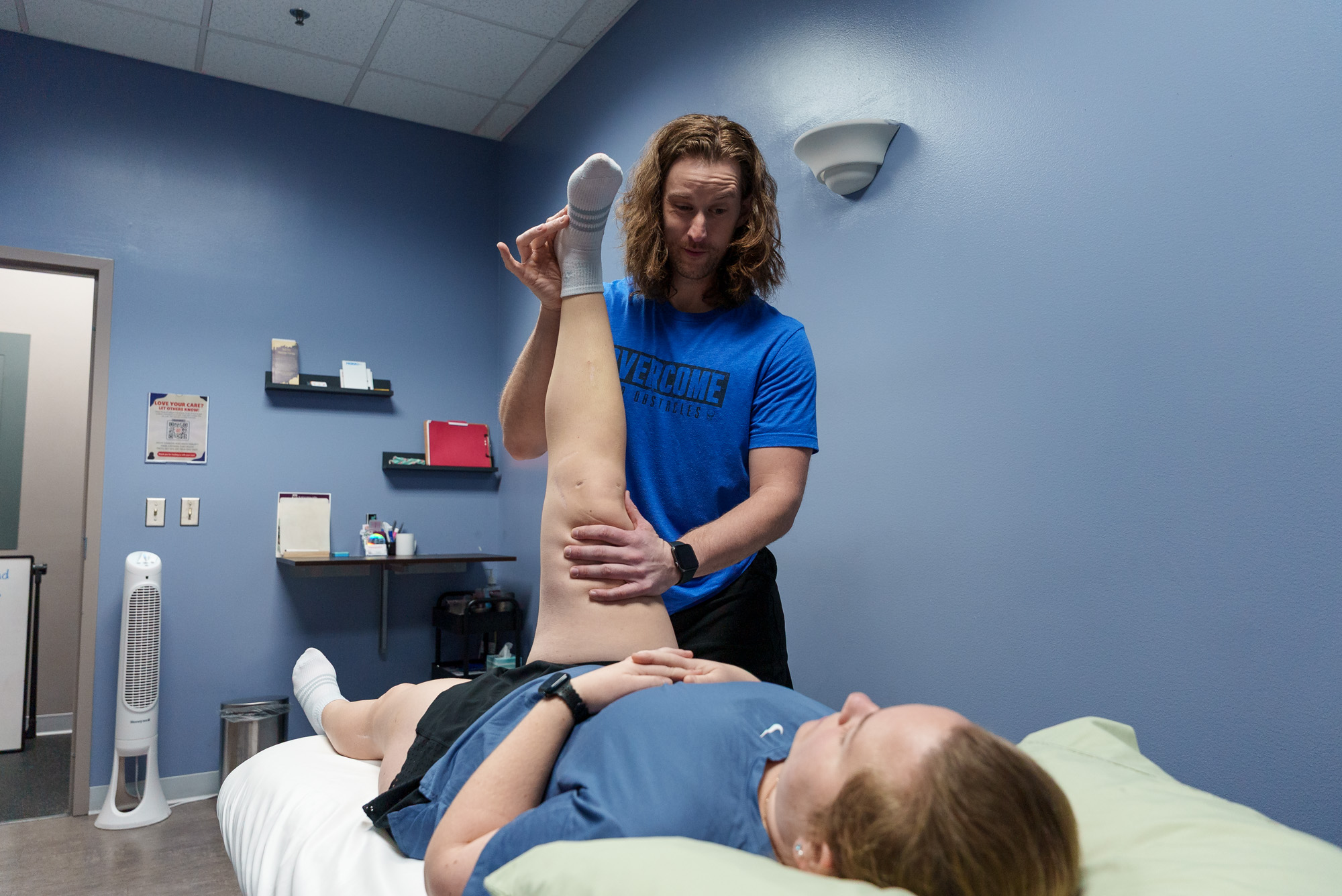
This is where sports physical therapy comes in. A well-trained sports PT looks at your running mechanics through the lens of functional mobility—evaluating how your body moves, where it’s compensating, and what limitations are putting you at risk for injury or holding back your performance.
Unlike static stretching routines, sports physical therapy includes a combination of hands-on techniques such as:
- Soft tissue mobilization to release tension and improve muscle pliability
- Joint mobilizations to restore proper joint mechanics
- Neuromuscular re-education to retrain how muscles fire and stabilize during movement
These interventions target both passive and active systems in the body, allowing for more effective and lasting mobility improvements. It’s not about being more flexible—it’s about moving better.
Dynamic Movement > Passive Flexibility
Dynamic movement preparation is one of the most overlooked yet effective tools for runners. Unlike static stretching, dynamic mobility drills improve blood flow, activate stabilizing muscles, and prime the nervous system for performance.
READ: Preparing for Labor: How Physical Therapy Can Help with Birth Positioning and Pelvic Floor Strength
Movements like walking lunges with a twist, leg swings, hip openers, and ankle mobility drills actively prepare your body for the specific demands of running. These exercises don’t just loosen you up—they train your body to move with more control and efficiency.
Even better? Dynamic mobility can be personalized. A quick movement assessment by a sports physical therapist can reveal exactly which drills will give you the biggest return on your time investment.
How The Mobile Athlete Helps Runners Move Better
At The Mobile Athlete, we go beyond general advice and cookie-cutter routines. Our approach to mobility for runners is grounded in movement science and personalized care.
Whether you’re training for a marathon or just trying to keep your weekend runs pain-free, our sports physical therapy services help you:
- Improve joint mobility and stability through tailored treatment plans
- Address chronic tightness or discomfort that stretching hasn’t solved
- Learn dynamic warm-ups and strength exercises specific to your gait and goals
- Prevent injuries by fixing the root cause of mobility limitations
We work with runners of all levels in West Los Angeles who are tired of chasing symptoms and ready for long-term solutions. If that sounds like you, schedule a mobility assessment and let’s build a stronger foundation for your running.
Redefining “Stretching” for Runners
Stretching isn’t bad—it’s just not the whole story. To run stronger, longer, and with fewer setbacks, you need to move beyond the static stretches and into a more dynamic, integrated approach to mobility.
Sports physical therapy offers the tools and insight to help you unlock better movement patterns and keep your body in peak running condition. If you’re still feeling stuck despite your stretching efforts, it might be time to change the strategy—not just the stretch.
