
Primary Care Physical Therapy
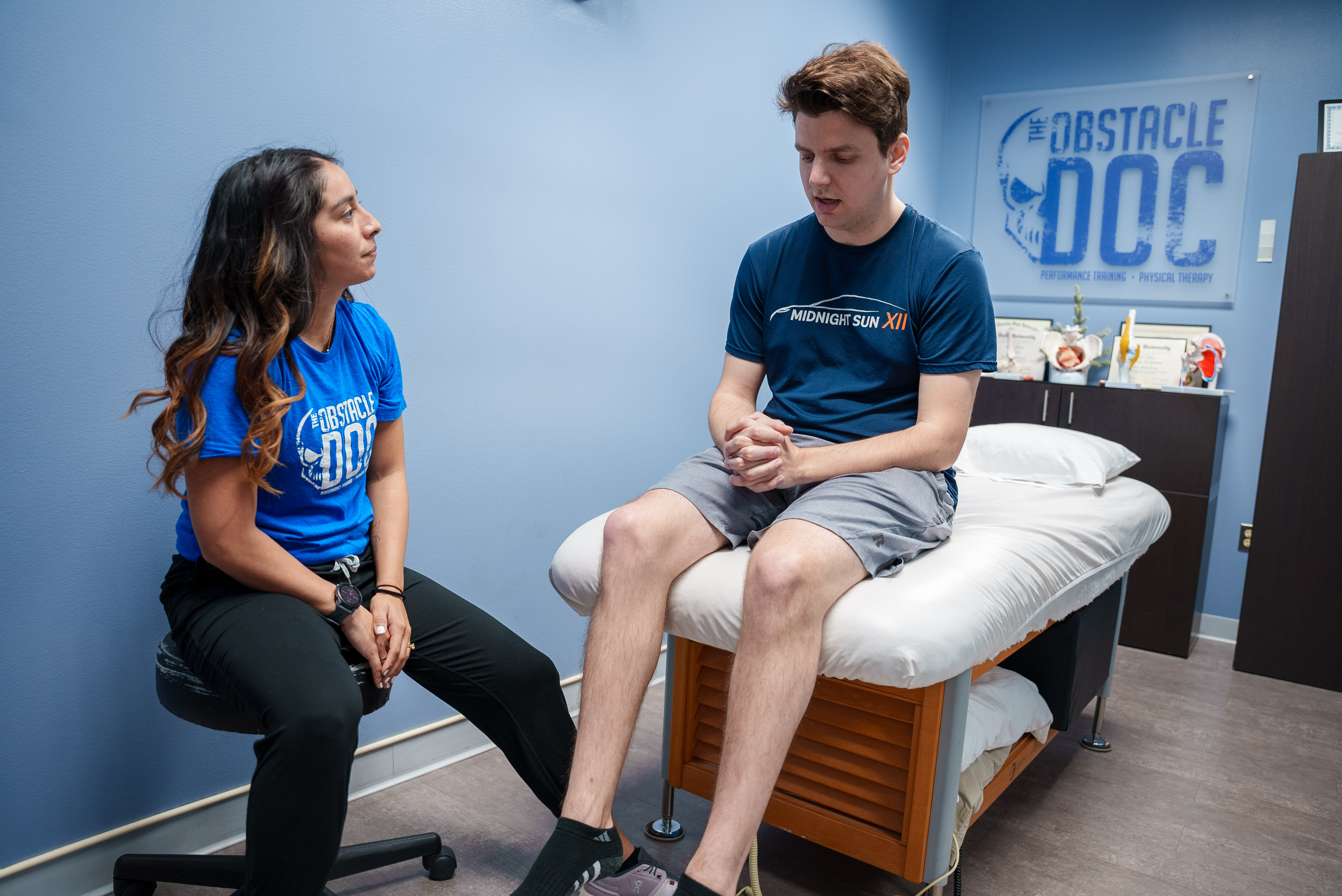
When you think of "Primary Care," your brain probably goes straight to your family doctor, a stethoscope, and maybe a flu shot. But there is a massive shift happening in the medical world—and research is finally catching up to what we’ve been doing at The Obstacle Doc for years.
A recent landmark article in the Physical Therapy Journal (PTJ) and new definitions from the APTA have officially "rebranded" what a Physical Therapist can be for you: A Primary Care Provider.
If you’re living in Durham and dealing with a nagging hip, a fresh ankle sprain, or chronic back pain, your first phone call shouldn't necessarily be to an orthopedic surgeon or even your GP. It should be to your PT. Here is why.
What Exactly is "Primary Care Physical Therapy"?
In the traditional medical model, you get hurt, you wait two weeks for a doctor's appointment, they give you an X-ray (that you might not need), a prescription for Ibuprofen, and then a referral to PT.
Primary Care PT flips the script. It means the Physical Therapist serves as the first-contact practitioner. We are the "front door" for anything related to your musculoskeletal system and rehabilitation. As Doctoral-level providers, we are trained specifically to triage your injury, diagnose the issue, and—most importantly—determine if you actually need a specialist or if we can solve it right here.
We Are Educated for This
Every PT graduating today is a Doctor of Physical Therapy. Our education isn't just about "exercises"; it’s about differential diagnosis, screening for "red flags" (like fractures or systemic diseases), and understanding the neurobiology of pain. We are built to be the "detectives" of the human body.
The Data: Why Seeing a PT First Wins Every Time
We aren't just saying this because we like seeing you. The evidence-based research is overwhelming:
- Better Outcomes: Research on acute low back pain shows that seeing a PT first results in significantly greater improvements in disability at 6 months compared to "usual care."
- Less "Junk" Medicine: A major meta-analysis found that when PTs are the first contact, patients have a 45% lower rate of clinical imaging (X-rays/MRIs) and a 71% lower rate of prescription medications.
- Cost Savings: It is simply cheaper. By skipping unnecessary specialists and imaging, the cost-effectiveness of your recovery skyrockets. In one UK study, PTs managed 87.3% of patients without needing any specialist referral at all.
How We Practice This at The Obstacle Doc
At our Durham clinic, we’ve been pushing the "Primary Care" idea since day one. We don't want to be the person you see after everything else has failed. We want to be your first stop.
1. Triage & Tossing the "Referral Runaround"
Because North Carolina is a Direct Access state, you don't need a physician's referral to see us. If you tweak your back lifting at your local CrossFit box, you can be in our office the next day. We perform a comprehensive assessment to ensure your pain isn't something more serious, saving you a trip to Urgent Care.
2. Holistic Chronic Disease Management
The updated definition of Primary Care PT includes more than just "sore muscles." We are trained to help manage chronic conditions like arthritis, COPD, and even cardiac health through movement. We look at your heart rate, your [electrolytes], and your sleep hygiene to ensure your whole "system" is healthy.
3. Loading vs. Resting
Most primary care doctors will tell you to "rest and take Advil." We do the opposite. We use Manual Therapy to act as a natural analgesic (pain reliever) and then immediately find ways to load your system so you don't lose your hard-earned fitness.
The Bottom Line for Durham Athletes
Whether you’re a grad student, a local runner, or a busy parent, your time is your most valuable resource. Following the traditional medical "ladder" for a movement-based injury is often a waste of that time.
The new research confirms it: Physical Therapists are Primary Care providers. We are your first line of defense, your diagnostic experts, and your partners in staying active for life.
