
Why Your First Stop After an Injury Should Be Physical Therapy
You’re midway through a long run on the Al Buehler Trail or finishing a heavy set at your local Durham CrossFit box when it happens: a sharp pull in the hamstring or a scary "pop" in the ankle.
The traditional instinct is to call an orthopedic physician and wait three weeks for an appointment, or head to urgent care for an X-ray you might not actually need. But if you want to get back to your sport faster—and more affordably—the smartest move you can make is seeing a Physical Therapist first.
Here’s why a "PT-First" approach is the gold standard for Durham athletes and active adults.
1. The Triage Advantage: We Know What "Needs a Surgeon" Looks Like
A common misconception is that PTs only "do exercises." In reality, a GOOD Physical Therapist is a diagnostic specialist. Our first job is Triage.
We are trained to screen for "Red Flags"—fractures, ligament tears that require surgical intervention, or systemic issues. If your injury is truly surgical, we will know within the first 15 minutes and can get you to the right specialist with a detailed report in hand.
The Data: Research consistently shows that patients who see a PT first for low back or knee pain have significantly lower costs, fewer unnecessary MRIs, and a much lower likelihood of being prescribed opioids. In North Carolina, you have Direct Access, meaning you can skip the middleman and get answers immediately.
2. Manual Therapy: The Unmedicated Analgesic
When you’re in acute pain, your nervous system is in a state of high alert (the "alarm" is going off). This is where manual therapy comes in.
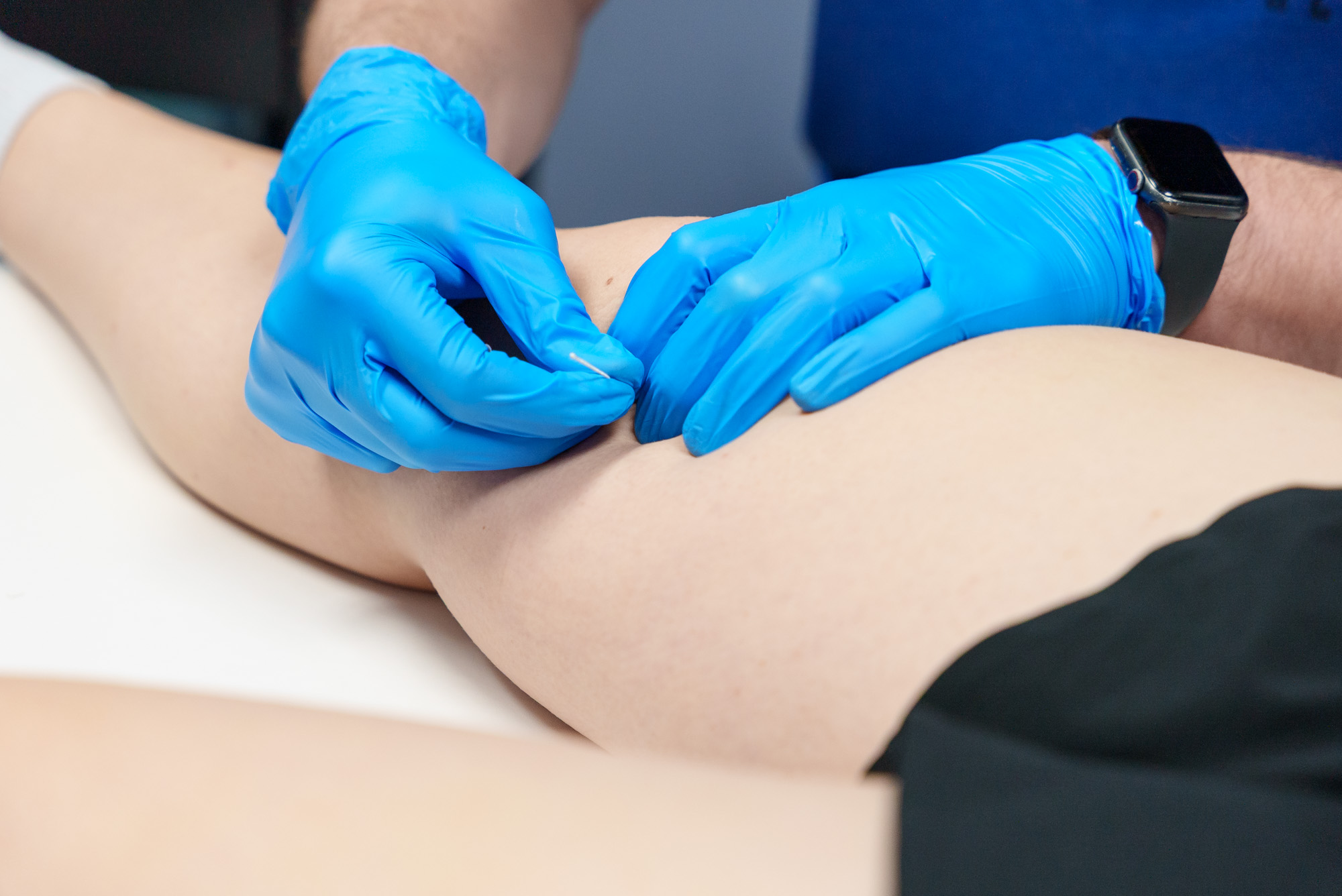
Unlike a pill that acts globally, targeted manual therapy—joint mobilizations, soft tissue work, or dry needling—acts as a neuro-chemical analgesic. By providing specific input to the joint and muscle, we can "down-regulate" the nervous system.
The Goal: We aren't just "rubbing a sore spot." We are creating a window of decreased pain so that we can get to the most important part of recovery: Movement.
3. Loading the System (Beyond "PEACE & LOVE")
In our [previous blog on the PEACE & LOVE protocol], we discussed how the old "RICE" (Rest, Ice, Compression, Elevation) method is outdated. While "PEACE" handles the initial days, the "LOVE" (Load, Optimism, Vascularization, Exercise) is where the magic happens.
A high-level PT doesn't just tell you to rest. We find the Optimal Loading Zone.
- Rest leads to atrophy and "fear-avoidance."
- A Good PT knows how to load your system just enough to stimulate tissue repair without over-stressing the injury.
Whether it's blood flow restriction training or specific isometric holds, we "prime" your muscles to handle gravity and impact again.
4. Why Waiting is Your Worst Enemy
The "Wait and See" approach usually leads to compensatory patterns. If you limp for three weeks while waiting for an ortho appointment, you aren't just dealing with a hurt ankle anymore; you’re now dealing with a tight hip and a grumpy lower back.
By seeing a PT in Durham immediately, we nip those compensations in the bud. We keep your "internal chemistry" (remember our [blog on electrolytes and heart rate]?) and your mechanical systems in sync.
What Makes a "Good" PT?
Not all PT is created equal. If you go to a clinic where you’re put on a heating pad for 20 minutes and then left to do clamshells by yourself, you’re in the wrong place. A performance-based PT should provide:
- One-on-one diagnostic assessment and ongoing care.
- Skilled manual therapy to manage pain.
- A progressive loading plan that actually mimics your sport (running, lifting, etc.).
Don’t Let a Small Tweak Become a Long Season
Whether you're prepping for a race at Duke or just trying to stay active in the Bull City, don't wait for the "perfect time" to get help. The faster we triage and load the injury, the faster you're back on the trail.
