
Tendonitis or Tendinosis? How Physical Therapy in Durham, NC Helps You Heal Tendon Pain the Right Way
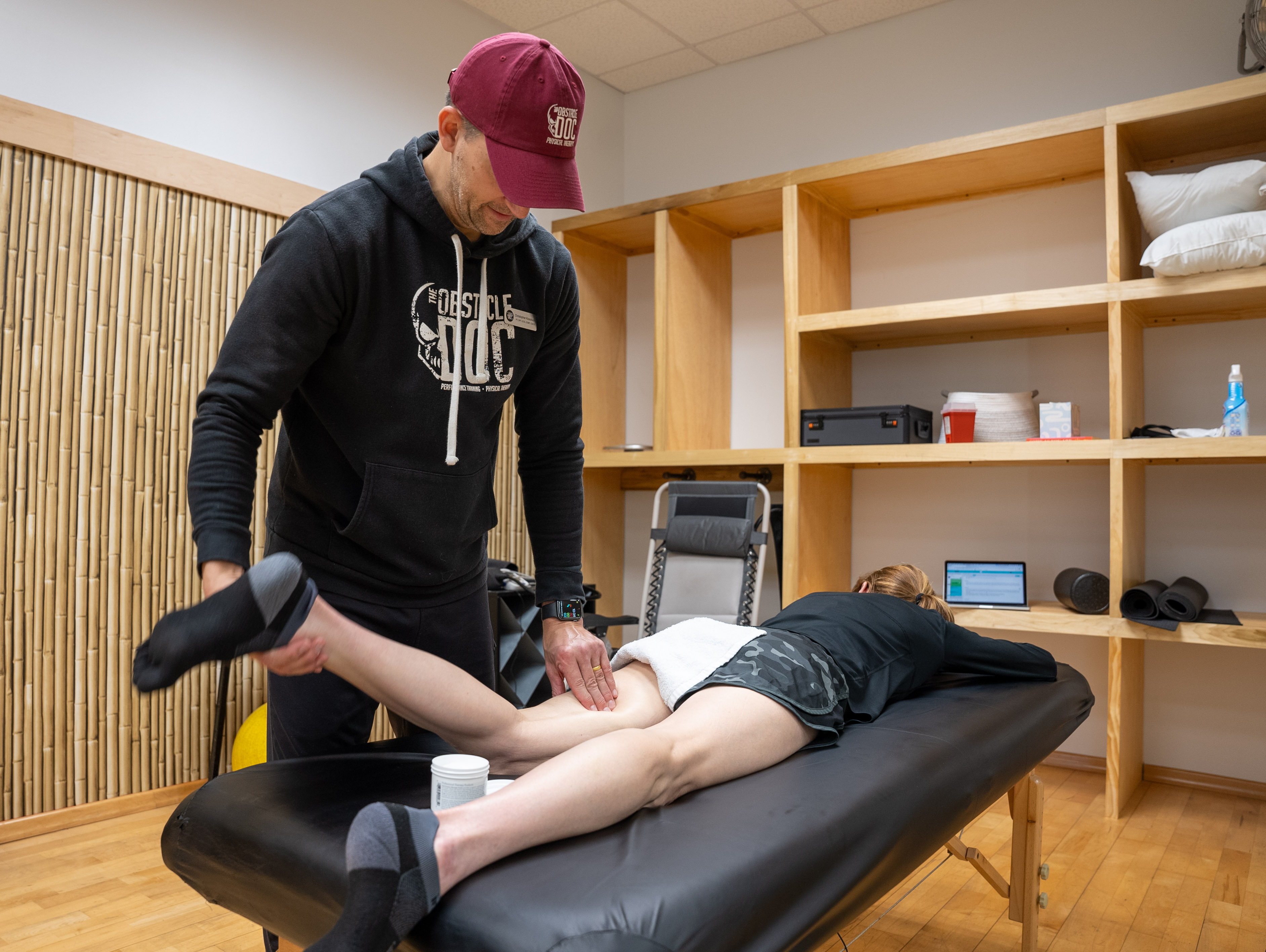
If you’re dealing with tendon pain — whether it’s your Achilles, rotator cuff, elbow, or knee — you’ve likely heard terms like tendonitis and tendinosis. These conditions are common in active adults, parents, runners, lifters, and weekend athletes across Durham, NC. But the biggest misconception is that rest and ice alone will “fix” tendon problems.
The truth? Tendons don’t heal well with rest — they heal with the right kind of load.
As a physical therapy clinic serving Durham, we help people every day who feel stuck in the cycle of pain, rest, flare-up, repeat. Here’s what you need to know about tendon health and how PT can help you recover for the long term.
What’s the Difference Between Tendonitis and Tendinosis?
Although they sound similar, they aren’t the same:
- Tendonitis = acute irritation and inflammation
- Tendinosis = long-term overload causing tissue changes and weakness
Both conditions benefit from skilled physical therapy, but the approach differs depending on the stage and severity.
Why Tendons Need Load — Not More Rest
Tendons are designed to absorb and transmit force — every step, jump, swing, and reach.
When they’re overloaded or undertrained, micro-irritation can turn into chronic pain.
Physical therapy helps by giving the tendon exactly what it needs:
- controlled loading,
- progressive strength work,
- strategic movement changes,
- and exercises that build real resilience.
This approach not only reduces pain but also improves the tendon’s structure and capacity to handle activity.
How Physical Therapy Helps You Heal Tendon Pain
At The Obstacle Doc here in Durham, our tendon rehabilitation approach includes:
1. Calming Down Irritated Tissue
We use hands-on techniques, isometrics, and neuromuscular strategies to reduce pain and muscle tension around the tendon.
2. Improving Movement & Off-Loading Stress
We identify the root cause — mobility limitations, strength deficits, or movement patterns — and correct them so the tendon isn’t chronically irritated.
3. Loading the Tendon the Right Way
This is the game changer. Through progressive strength training (eccentric work, heavy slow resistance, and tendon-specific loading), we rebuild tendon capacity so it can handle your sport or daily activities.
Why Early PT Matters for Tendon Recovery
Tendons adapt slowly.
Waiting too long often leads to longer rehab times and more compensatory issues.
The sooner you start physical therapy, the sooner you:
- restore strength,
- return to activity,
- prevent chronic tendon changes, and
- reduce the risk of recurring injury.
Looking for Tendon Rehab in Durham, NC? We Can Help.
Whether your goal is to return to running, lifting, sport, or simply move without pain, tendon rehab works best with the right plan and expert guidance.
If you’re experiencing tendonitis or tendinosis, our Durham physical therapy team is here to help you recover fully and confidently.
