
The Importance of Early Intervention: How Pelvic Floor PT Prevents Long-Term Issues
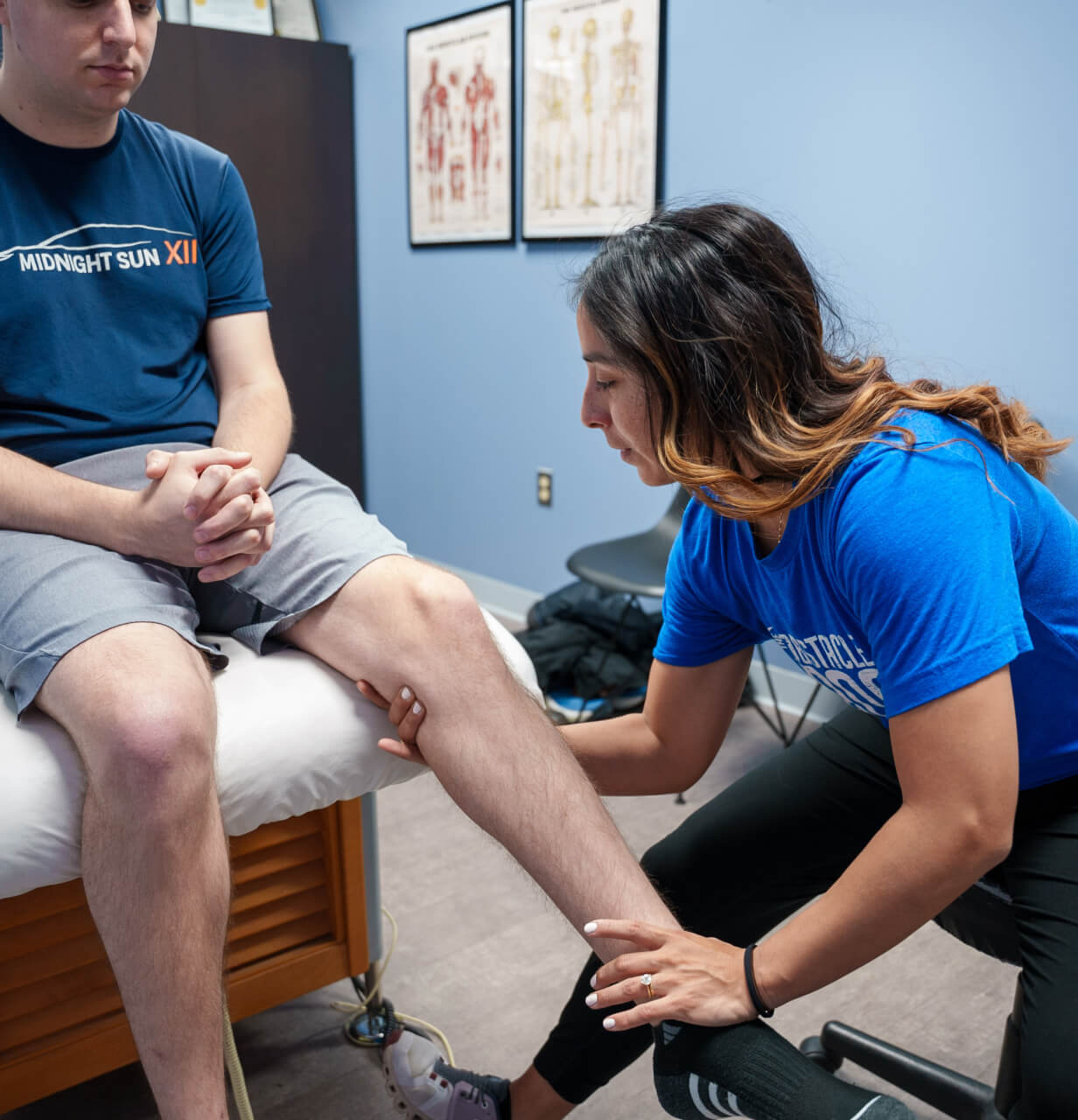
Pelvic floor physical therapy is a specialized branch of rehab that focuses on the muscles, ligaments, and connective tissues that support the bladder, uterus or prostate, and rectum. These muscles play a vital role in core stability, posture, sexual health, and continence—yet they’re often overlooked until something goes wrong.
At The Obstacle Doc in Durham, pelvic floor physical therapy is designed to help individuals regain control, reduce pain, and improve function. While many people assume pelvic PT is only for women after childbirth, it’s equally valuable for men, athletes, and anyone experiencing pelvic discomfort or dysfunction.
Pelvic floor issues can show up in many forms: leaking with movement or exercise, pressure or heaviness in the lower abdomen, painful intercourse, or even difficulty with bowel movements. The goal of therapy is to identify the root cause of these issues and address them early, before they evolve into chronic, harder-to-treat problems.
Why Early Symptoms Shouldn’t Be Ignored
When it comes to pelvic floor dysfunction, small symptoms often signal deeper imbalances, and the earlier they’re addressed, the easier they are to treat. Unfortunately, many people dismiss early warning signs, thinking discomfort or leaking is “normal,” especially after childbirth, surgery, or aging. But common doesn’t mean normal.
Ignoring these symptoms can lead to compensatory movement patterns, muscle guarding, and worsening dysfunction over time. What begins as occasional leakage or pressure can turn into chronic pelvic pain, prolapse, or persistent incontinence. And the longer these issues go untreated, the more complex and time-consuming the recovery becomes.
Early intervention allows for faster healing and more efficient results. It also reduces the likelihood of additional complications, such as low back pain, hip dysfunction, or core weakness. All of which are closely linked to pelvic floor health.
At The Obstacle Doc, we believe in empowering people to listen to their bodies. If something feels off, even if it seems minor, it’s worth having a pelvic floor physical therapist take a closer look.

How Early Pelvic Floor PT Can Prevent Chronic Issues
Addressing pelvic floor dysfunction early can make the difference between a short-term fix and a long-term struggle. When symptoms are caught in their early stages, pelvic floor physical therapy can correct the underlying problem before it turns into a chronic condition that affects daily life.
Early pelvic PT focuses on restoring muscle coordination, improving awareness of the pelvic floor, and building strength where needed. Therapists use techniques like manual therapy, guided breathing, neuromuscular re-education, and personalized movement strategies to improve function quickly and effectively.
For example, a new mom who starts therapy within weeks of noticing light leakage can often resolve the issue in just a few sessions. But if that same issue goes untreated, it can lead to months, or even years, of pelvic instability, bladder control issues, or painful movement.
By treating dysfunction at its source, early intervention also reduces the need for more invasive approaches down the line. Surgery, long-term medication use, or lifestyle restrictions can often be avoided entirely when care begins early.
At The Obstacle Doc, our proactive approach helps patients get back to the activities they love—with confidence and without limitations.
Common Conditions That Benefit from Proactive Treatment
Many people wait until pelvic floor issues disrupt their lives before seeking help, but several conditions respond best to early, proactive treatment. Pelvic floor physical therapy isn’t just for severe dysfunction; it’s a powerful tool for managing a wide range of concerns before they become chronic.
Urinary incontinence, especially stress or urge-related, is one of the most common conditions addressed early. Even occasional leaking during exercise or sneezing can signal a loss of pelvic floor coordination that therapy can quickly correct.
Pelvic organ prolapse, which often begins with a sense of heaviness or pressure, is another condition where early care can improve support and reduce the need for surgical intervention.
Postpartum recovery is one of the most important times to engage in pelvic floor therapy. Even if birth was uncomplicated, core and pelvic floor muscles often need retraining to prevent long-term dysfunction.
Other conditions that benefit from early pelvic PT include:
- Pelvic pain or discomfort during movement or intimacy
- Painful periods or endometriosis-related tension
- Chronic constipation or bowel dysfunction
- Lower back, hip, or SI joint pain linked to pelvic floor instability
Recognizing these issues early—and knowing they’re treatable—empowers people to take control of their health sooner rather than later.
When to See a Pelvic Floor Physical Therapist in Durham
If you're experiencing symptoms like leaking, pelvic pressure, or discomfort during movement, don’t wait for things to get worse. The earlier you seek care, the faster and more complete your recovery can be. Whether you’ve just had a baby, started noticing subtle changes, or are simply curious about your pelvic health, a consultation with a pelvic floor specialist can provide clarity and direction.
At The Obstacle Doc in Durham, we take a proactive, performance-based approach to pelvic floor physical therapy. Our goal is to help you understand your body, address symptoms early, and prevent long-term complications—so you can move confidently and live fully.
Don’t ignore the early signs. Contact us today to schedule your pelvic floor evaluation and take the first step toward lasting relief.
