
Why Rest Days Alone Aren’t Enough: The Role of PT in Running Recovery
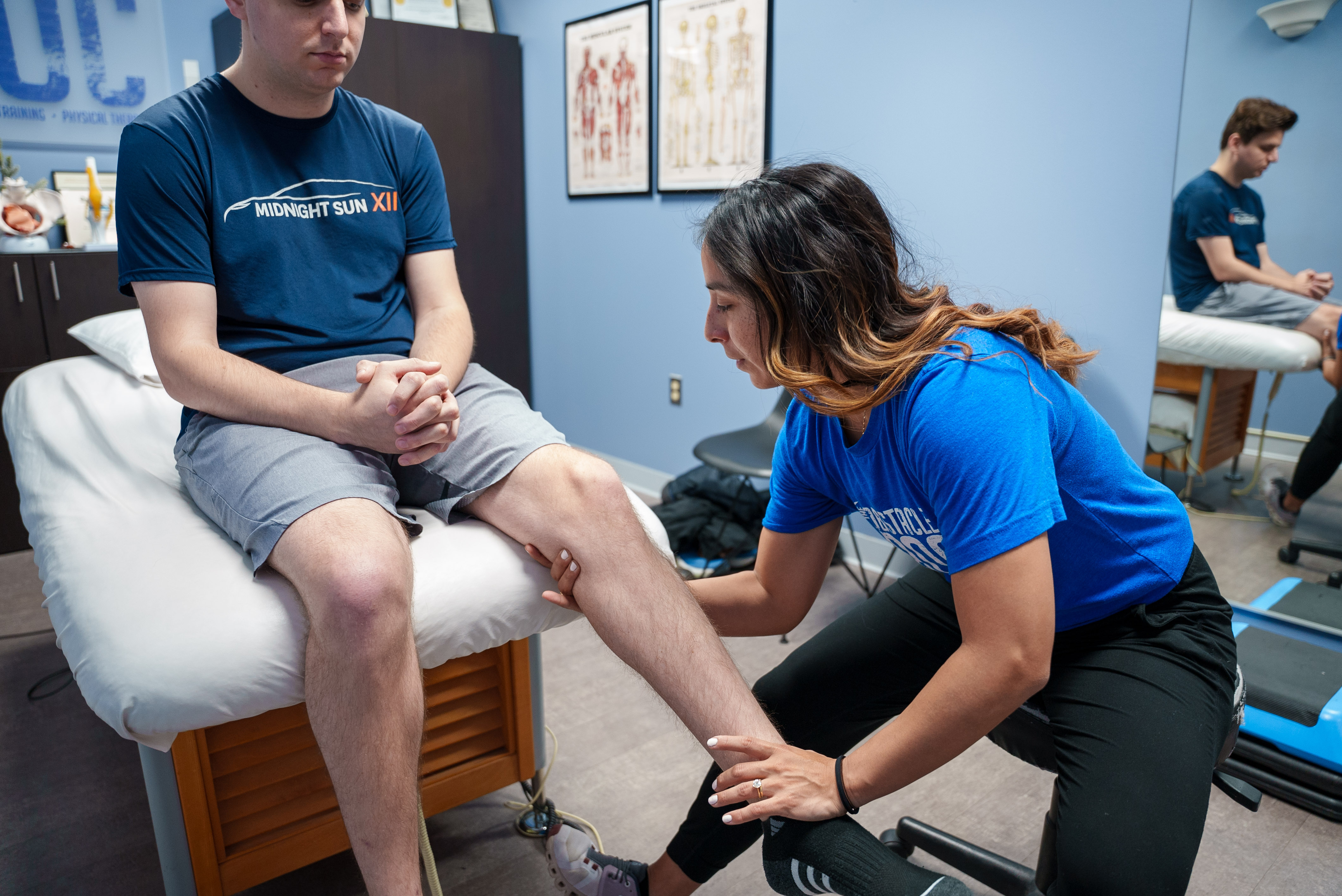
Rest days are a vital part of any training plan—but they’re not the whole story. If you're a runner who's logging serious miles or dealing with recurring aches and stiffness, simply taking a day off isn't always enough to keep your body moving at its best. At The Obstacle Doc in Durham, NC, we work with runners who want to go beyond rest and take an active approach to recovery. When it comes to staying consistent, pain-free, and performance-ready, recovery and rehab for runners needs more than downtime—it needs intention.
READ: Durham Runners: When to See a PT and When to Modify Your Runs
The Limits of Passive Rest
Rest days are important. They give your muscles time to rebuild, reduce mental fatigue, and help prevent overtraining. But rest alone doesn't resolve the imbalances or movement restrictions that often build up over time. If you're skipping mobility work, ignoring minor aches, or using rest days to do nothing but stay sedentary, you're likely leaving recovery gains on the table. In fact, passive rest can sometimes lead to even more stiffness or delay your return to high-quality training. The key isn't just rest—it's smart, targeted recovery that addresses how your body is moving.
The Hidden Impact of Incomplete Recovery
When recovery isn’t addressed proactively, subtle issues can compound quickly. A tight hip today becomes an altered stride tomorrow. A stiff ankle turns into knee pain after your next long run. Without active recovery strategies, runners often develop compensation patterns that overload certain muscles and joints. These patterns may not cause immediate pain, but they quietly increase your risk of injury, reduce your efficiency, and limit your performance ceiling. You don’t need to be sidelined to be under-recovered—and many runners are training below their potential without even realizing it.
What Recovery and Rehab for Runners Should Actually Include
Effective recovery and rehab for runners goes far beyond foam rolling and rest days. At The Obstacle Doc, we build recovery programs that include:
- Mobility work: To restore optimal joint range of motion and muscle flexibility
- Neuromuscular re-education: To retrain movement patterns and reinforce healthy stride mechanics
- Manual therapy: Hands-on techniques to reduce soft tissue tension and improve circulation
- Targeted strengthening: To support areas of weakness and stabilize vulnerable joints
- Load management strategies: To help runners safely progress mileage and intensity without overload
This approach doesn’t just help you bounce back from hard efforts—it helps you build resilience so your body can handle more in the future.
How The Obstacle Doc Helps Runners Stay Durable
At The Obstacle Doc, we specialize in helping runners understand their bodies, fix inefficiencies, and stay on track with their goals. Our performance-based PT model starts with a movement assessment that looks at your gait, mobility, strength, and mechanics. From there, we create a custom plan built around your training schedule, lifestyle, and long-term goals. Whether you're preparing for your first 10K or managing the wear and tear of marathon training, our recovery and rehab strategies keep you durable, not just patched together.
We also work with runners who’ve been told to "just rest" as a catch-all solution. Rest has its place—but so does proactive treatment that keeps you moving with less pain and more purpose.
READ: Nothing Beats A Good Night of Sleep: How Rest Impacts Physical Therapy in Durham
Your Rest Days Deserve a Smarter Plan
If you're serious about your running, you need to be just as serious about your recovery. Rest days aren’t wasted days—but they should be part of a larger strategy to support your training. Don’t wait for pain to be your signal that something needs attention.
Contact The Obstacle Doc to schedule a movement assessment or recovery session. Let’s build a recovery plan that works as hard as you do.
